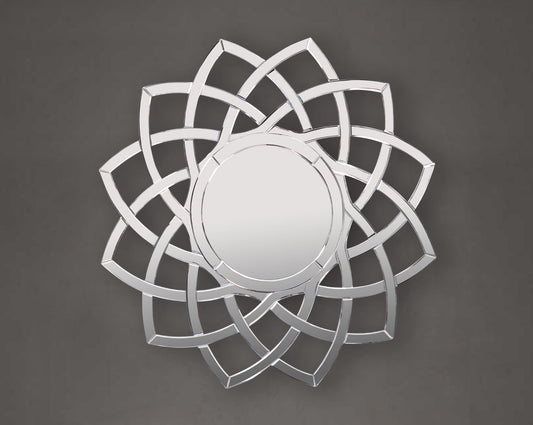
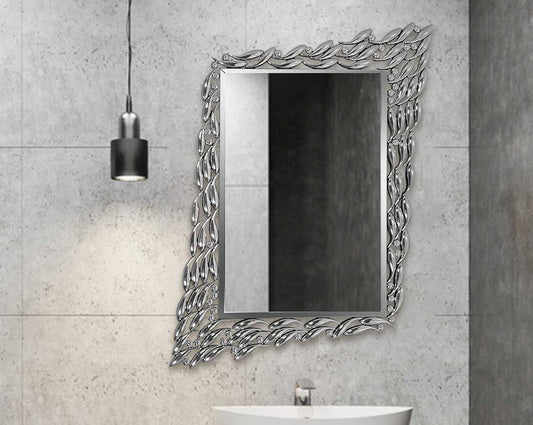
A mirror is one of the most useful and versatile objects in a home. It serves a clear practical purpose while also influencing how a room feels. The right mirror can make a space appear brighter, create a sense of depth, and act as a deliberate design element on the wall. The Mirror Collection at Furniturewalla focuses on wall mirrors that combine clean modern design with everyday functionality for bedrooms, living rooms, dressing areas, and entryways.
Mirrors do more than provide a reflection. They bounce both natural and artificial light around the room, which is especially valuable in spaces that receive limited daylight or rely heavily on overhead lighting. They also create the visual impression of greater volume, helping compact rooms feel more open. When the frame and proportions are well chosen, a mirror becomes an integral part of the interior rather than a purely utilitarian addition.
Designs in the Collection
The collection includes a focused selection of wall mirrors with distinct finishes and profiles:
These mirrors are designed primarily for wall mounting, making them suitable for placement above consoles, dressers, sofas, or in circulation areas where a freestanding mirror would be less practical.
Practical Benefits of Well-Chosen Mirrors
Light is often the most underused design tool in a home. A mirror placed opposite or adjacent to a window multiplies the effect of natural light. In rooms that depend on artificial lighting, a mirror can soften and distribute that light more evenly, reducing harsh shadows. This effect is noticeable in living rooms, bedrooms, and entryways alike.
Space perception is another clear advantage. Even a moderately sized mirror can make a narrow hallway feel wider or a compact bedroom feel less enclosed. The reflective surface extends the visual boundary of the room, which is particularly helpful in apartments and smaller homes.
Functionally, mirrors remain essential for dressing and grooming. Placing a good wall mirror near a dresser or in a dressing area improves daily routines. When the same mirror also contributes to the overall look of the room, it performs two roles at once.
How Mirrors Work with Other Furniture
A mirror is most effective when it is considered alongside the furniture around it. Above a dresser from the Dressers & Mirrors collection, it completes a practical dressing zone. In a living room, a mirror hung above a console or opposite a fabric sofa from the Fabric Sofas collection adds depth and reflects the seating arrangement, making the space feel more layered.
Lighting enhances the effect further. A floor lamp from the Floor Lamps collection positioned near a mirror can create interesting reflected light in the evening. Soft textiles and cushions from the Divany Cushion Collection and decorative objects from the Home Décor Collection gain extra presence when they are partially reflected.
In open-plan or connected spaces, a mirror can also help link zones. Reflecting a dining area that includes chairs from the Dining Chair Collection or a bench from the Dining Benches Collection creates a stronger sense of continuity between living and dining functions.
Placement Considerations
Height and proportion matter. A mirror intended for dressing should sit at a height that allows a clear view when standing. Decorative wall mirrors can be hung higher or lower depending on the furniture beneath them and the overall wall composition. The width of the mirror should generally relate to the furniture it sits above — too narrow and it looks disconnected; too wide and it can overwhelm the piece below.
Orientation is equally important. Vertical mirrors emphasise height and work well in narrower spaces or beside tall furniture. Horizontal or rectangular formats often suit placement above consoles, sideboards, or sofas. The collection includes both approaches, giving flexibility according to the wall and the surrounding furniture.
Style and Finish Options
The finishes available — gold, silver, rose gold, and grey — allow the mirror to either blend with or deliberately contrast the existing metal and wood tones in the room. Gold and rose gold tend to warm a space and pair well with richer upholstery or wooden furniture. Silver and grey finishes lean cooler and suit more minimal or contemporary schemes. Choosing a finish that already appears elsewhere in the room (in lighting, hardware, or small accents) helps the mirror feel integrated.
Mirrors in Different Rooms
In living rooms, a mirror opposite a window or above a console strengthens light and creates a focal point. In bedrooms, it supports daily routines while contributing to a more open feeling. In entryways and hallways, even a moderately sized mirror improves both function and first impressions. Because the designs are wall-mounted, they remain practical in circulation spaces where floor area is limited.
A Quiet but Effective Design Tool
Mirrors rarely dominate a room the way a large sofa or statement light might, yet their influence on atmosphere is significant. They improve light quality, expand perceived space, and provide a functional surface that is used every day. When the frame and proportions are considered carefully, they also contribute clear visual structure to the walls.
The Mirror Collection at Furniturewalla is built around these practical and aesthetic roles. The available designs — Aleesa, Aurelio in gold and silver, Agata, Mavia, Jereza, Zarita, and the Inesa options in rose gold and grey — offer different expressions of the same useful idea: a well-made wall mirror that improves both the look and the everyday experience of the rooms it occupies.