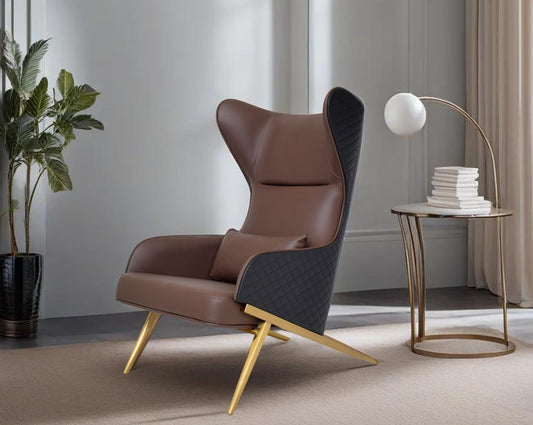
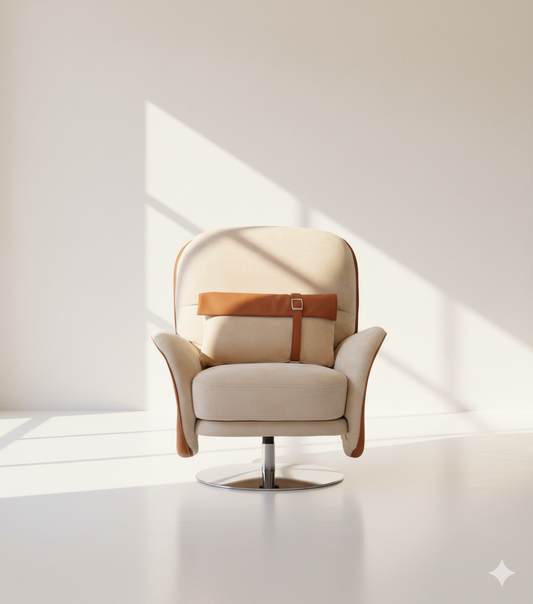
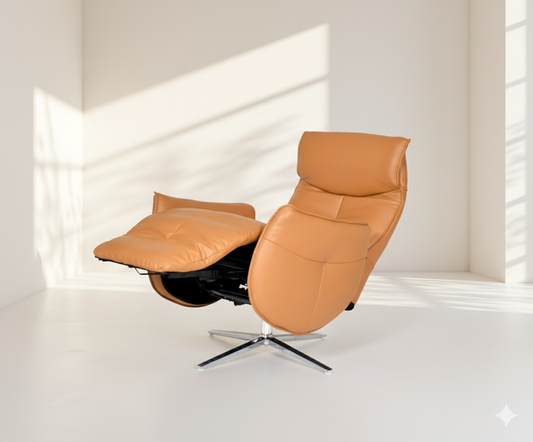
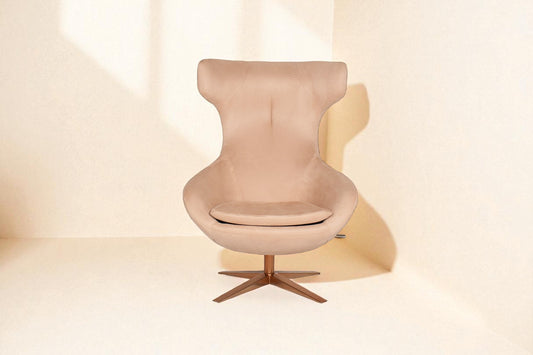
A living room or bedroom often needs more than a sofa. There are moments when a single, well-designed chair feels more inviting — a place to read, have a quiet coffee, or simply sit without sharing the main seating. Lounge and accent chairs fill this role. They offer focused comfort, introduce a different silhouette or texture, and help complete a room without requiring a full additional sofa.
The Lounge & Accent Chairs collection at Furniturewalla centres on this idea. The designs prioritise everyday comfort while remaining refined enough to work as deliberate design elements. Many of the chairs are customizable, which means fabric or finish options can be adjusted to better suit the surrounding furniture and colour scheme.
What the Collection Offers
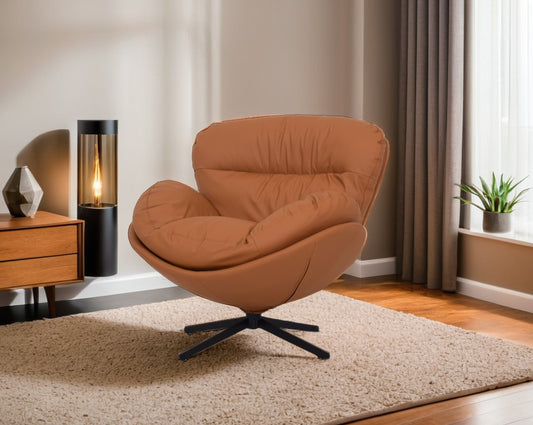
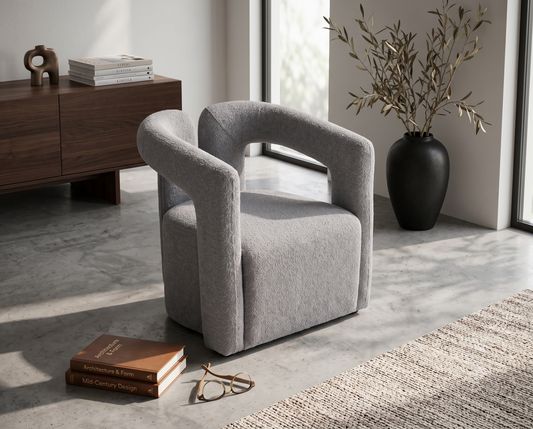
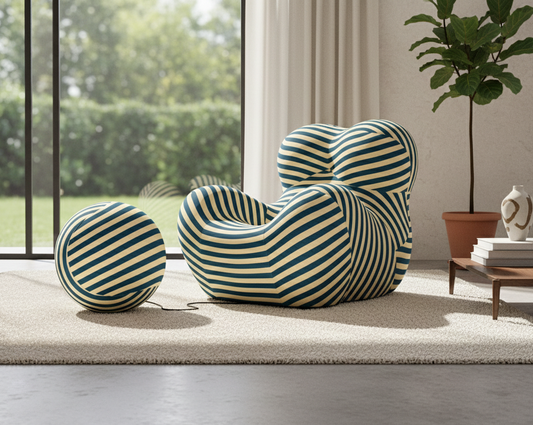
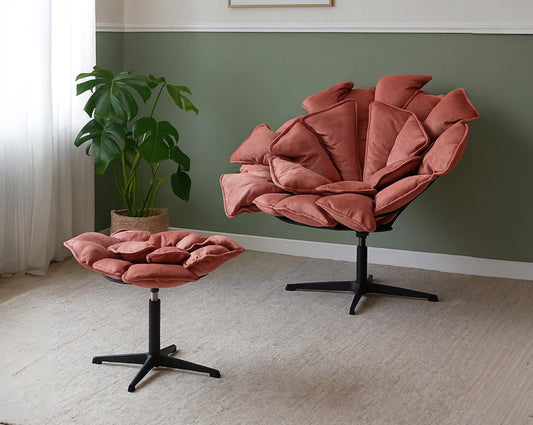
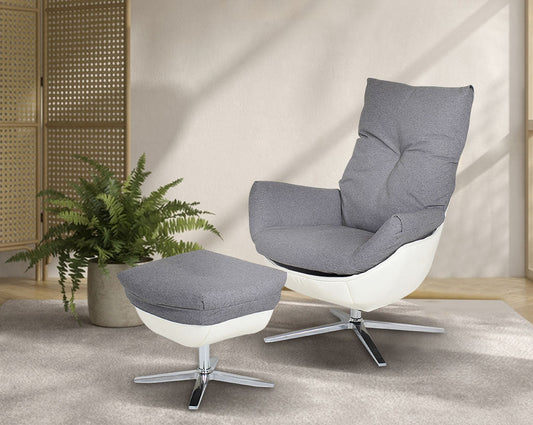
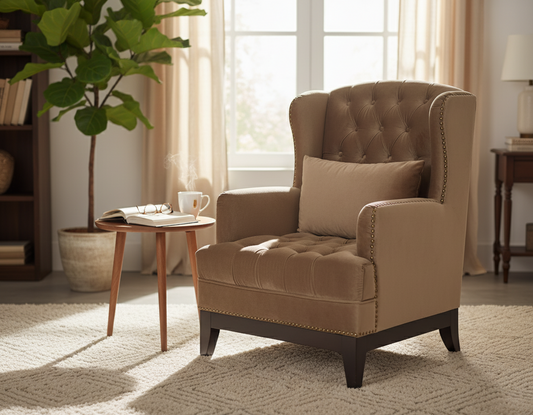
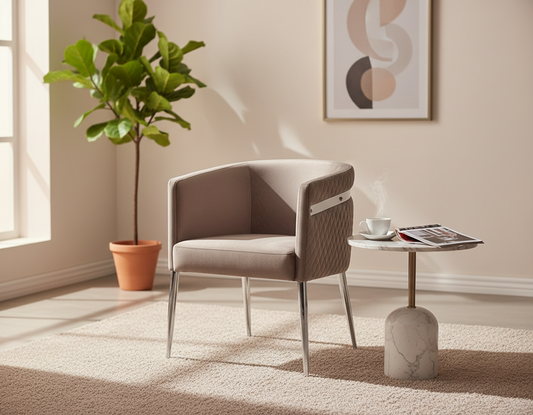
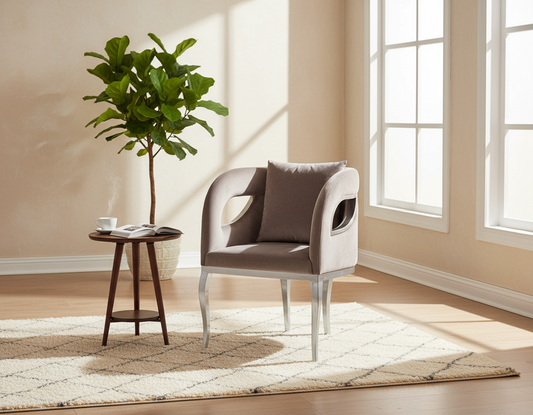
The current range includes five carefully selected designs, each with a distinct character:
- The Teo Leisure Chair offers a balanced, approachable form suited to both living rooms and quieter corners.
- The Coqueto Leisure Chair brings a softer, more relaxed presence that works well as a personal seating spot.
- The Vicente Leisure Chair has a more substantial feel, ideal when the chair needs to hold its own visually beside a sofa.
- The Virgilio Fabric Wing Chair introduces the classic wing-back profile in a contemporary fabric interpretation, adding structure and a sense of enclosure.
- The Luxxe Leisure Chair provides a more compact and accessible option that still delivers comfortable seating and clean design.
All five are listed as customizable, giving flexibility in upholstery choice so the chair can relate more closely to existing sofas, cushions, or wall colours.
Why These Chairs Matter in a Home
Sofas handle shared seating effectively, but they are not always the most comfortable choice for longer periods of solitary use. A lounge chair with proper depth, back support, and arm height often feels more personal and supportive for reading or unwinding. Accent chairs, meanwhile, serve a dual purpose: they provide occasional seating and act as visual counterpoints that prevent a room from looking too uniform.
In open-plan spaces, a single well-placed chair can help define a reading or conversation zone without the need for screens or large furniture. In bedrooms, the same chair creates a useful secondary seating spot that keeps the bed from being the only place to sit. In living rooms, pairing a lounge or accent chair with a fabric sofa from the Fabric Sofas collection produces a more layered and flexible seating arrangement.
Comfort and Everyday Use
These chairs are designed for regular sitting rather than pure display. Seat depth, cushion firmness, and back angle are considered so that the chair remains comfortable beyond short periods. Upholstery options focus on fabrics that feel pleasant against the skin while standing up to normal household use. Customizable models allow the final fabric choice to prioritise either softer hand-feel or greater durability, depending on the household’s needs.
Because the chairs are independent pieces, they are also easy to reposition. Moving a lounge chair to catch better light, to face a different view, or to accommodate guests requires far less effort than rearranging a full sofa set. This flexibility is useful in homes where room functions shift over time.
How They Work with the Rest of the Furniture
A lounge or accent chair rarely sits in isolation. It performs best when related to the surrounding pieces. Placed beside a sofa from the Fabric Sofas collection, it extends the seating options and softens the overall arrangement. Adding cushions from the Divany Cushion Collection increases both comfort and visual connection between the chair and the main seating.
A floor lamp from the Floor Lamps collection positioned next to the chair creates a natural reading or evening corner. Small tables or decorative objects from the Home Décor Collection and the Living Room Collection help anchor the chair and give the corner a finished appearance.
In homes where the living area connects to dining space, the same design sensibility can be carried through with chairs from the Dining Chair Collection or benches from the Dining Benches Collection. Consistency across these categories helps the whole interior feel more deliberate.
Placement Ideas That Work
Next to a sofa, a lounge chair creates a more conversational layout and offers an alternative seat with different proportions. In a corner near a window, it becomes a natural reading spot, especially when paired with good lighting. At the end of a bed or in a bedroom corner, it provides a place to sit that is separate from the sleeping area. In larger living rooms, two accent chairs facing each other or angled toward a coffee table can form a secondary seating group.
Scale matters. A more substantial chair such as the Vicente or Virgilio Wing Chair holds its own in open spaces or beside a large sofa. More compact designs like the Luxxe or Coqueto suit smaller rooms or tighter corners without overwhelming the floor area.
Customisation as a Practical Advantage
The ability to customise fabric or finish is particularly useful when the chair needs to coordinate with existing upholstery. Matching or complementing the fabric of a sofa, or selecting a tone that works with wall colour and curtains, makes the chair feel integrated rather than added as an afterthought. This flexibility reduces the risk of the piece looking disconnected from the rest of the room.
Style Direction
The collection leans toward clean, contemporary forms with an emphasis on comfort. Wing-back and more structured silhouettes sit alongside softer, more relaxed leisure chairs. The overall direction is modern without being severe, so the chairs adapt to a range of interior approaches — from relatively minimal to more layered and textured schemes.
Because the designs avoid extreme trends, they remain relevant as other elements of the room change over time. A well-chosen lounge or accent chair can stay in place through several rounds of cushion, lighting, or décor updates.
Practical Considerations
When selecting a chair, it helps to clarify the primary use. Deep, softer seating suits prolonged relaxation. Slightly more upright designs work better for accent use or for spaces where the chair will be sat in for shorter periods. Measuring the available floor area and the height of nearby tables ensures the chair fits comfortably into the layout.
Upholstery choice should also take into account household conditions — presence of children or pets, preference for easy cleaning, or desire for a particular tactile quality. The customizable nature of the collection supports these practical decisions.
A Completing Element Rather Than an Extra
Lounge and accent chairs are most successful when they are treated as integral parts of the seating plan rather than optional extras. They provide personal comfort, improve the flexibility of the room, and contribute clear visual interest. When coordinated with sofas from the Fabric Sofas collection, cushions from the Divany Cushion Collection, lighting from the Floor Lamps collection, and surfaces and accents from the Living Room Collection and Home Décor Collection, they help create interiors that feel both comfortable and complete.
The five designs in this collection — Teo, Coqueto, Vicente, Virgilio Fabric Wing, and Luxxe — offer different expressions of the same useful idea: a single chair that is pleasant to sit in, satisfying to look at, and flexible enough to adapt to the way a home is actually used.